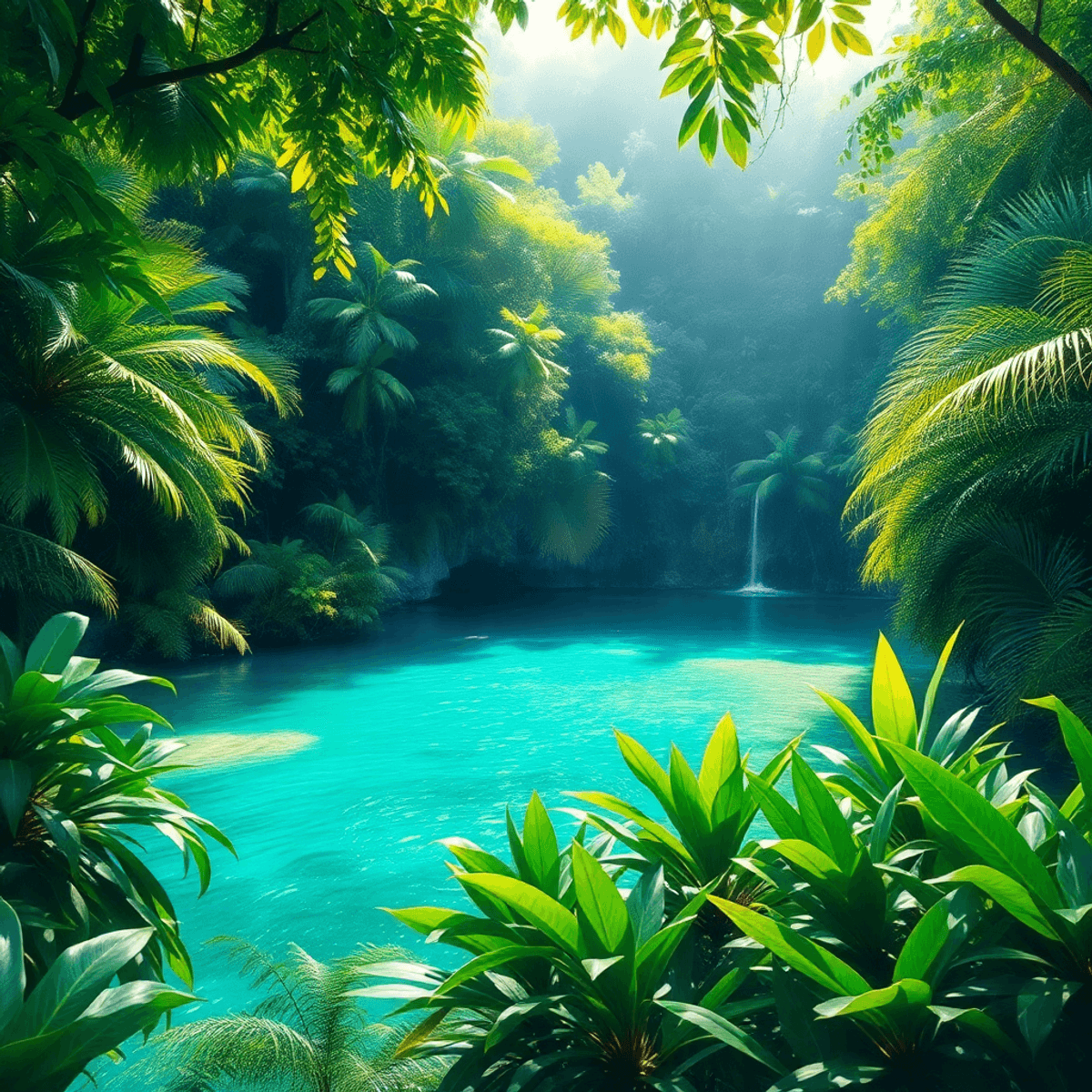
The thought of a hidden oasis makes you think of secret places with palm trees and clear blue water. These special spots are peaceful and feel like no one has been there before. But there is more to these places than just being quiet and pretty. A hidden oasis stands for taking care of nature and using earth-friendly ways to keep the land healthy. A hidden oasis is not just somewhere you go; it shows Green Living. People use good ways of making things and special tips to make a nice tropical place for everyone.
This blog looks at how these hidden tropical getaways help take care of the environment while still giving people high-end stays. You will see new, earth-friendly ideas here, like growing food in clean ways and using smart water systems. These things help protect the plants and animals in the area and also lower the harm people do to nature. We will also look at green building ideas and special ways people can stay at these places. You will find out how these retreats keep the land beautiful and mostly untouched.
We will talk about places where luxury and caring for nature come together with a focus on ethical production. This journey shows how these special tropical spots stay beautiful. Here, guests get to feel the natural beauty, helped by strong efforts to keep the land healthy. See how comfort and taking care of nature work as one in the most amazing hidden places.
Exploring these secret places takes some planning. You need to understand what each place has to offer. It's a bit like trying to get through the world of lifetime deal challenges.
Whether you are looking for lifetime software deals to save big, or want to get the most out of your lifetime deal challenge, this blog helps you get all the right knowledge. The goal here is to enjoy nice things, make smart choices and make sure your choices help the world feel good too.
Understanding Hidden Oases in Tropical Environments
A hidden oasis is not just a tropical trip. It is a private place where you can feel both calm in nature and rich comfort. These spots are found in special areas. They are away from busy and crowded tourist places. Here, guests get a chance to see land and water that is not changed by people.
The area takes care of both plants, animals, and guests. It gives the visitor a way to feel good inside and out. At the same time, it keeps a careful balance for the plants and wildlife that live there.
Key Features of a Hidden Oasis
1. Seclusion and Privacy
The best thing about a hidden oasis is that it gives you your own space away from everyone else. You get to feel cut off from the busy world outside. This place helps keep people out, so it stays simple and beautiful. It is quiet, and you can feel at peace there.
2. Integration with Nature
Careful design helps these places feel like a part of their surroundings. Many times, people use biophilic architecture that shows off native materials, shapes, and colors.
3. Sustainable Practices
Responsible sourcing of materials and food, use of renewable energy, and methods that lower waste are very important parts of how these retreats take care of the environment.
4. Exclusive Techniques
Behind-the-scenes green changes, like new ways to farm or how people handle water, are well protected. This is done to keep biodiversity safe and help nature stay balanced.
The Appeal of Privacy Protection and Exclusive Access
Guests come into a place where people make sure that their presence does not harm the land. There are not too many visitors at one time, so you get a close and quiet chance to see nature without too much noise or trouble. A set number of people can get in:
The area helps animals by keeping noise and light low.
It keeps important plants safe by letting people walk only on certain paths.
Guests feel good because they get special help and learn more about caring for the planet.
In these private retreats, every part matters. The organic gardens and eco-friendly features work to respect the area around them. The feel of a hidden gem comes not just from where they are but also from how people care for the place and offer comfort at the same time.
These tropical places change what we think about luxury. They mix privacy with care for nature. They let people feel like they help protect the environment and enjoy the quiet beauty at the same time. But you need to know that not all secret getaways are the real thing. Some might look like special places, but they can be a telling sign of an experience that is not true.
Case Study: Secret Bay – A Model of Sustainable Luxury
Found in a tucked-away spot along Dominica’s rocky shore, Secret Bay stands out as a leading place for eco-friendly change in luxury resorts. This special six-star resort sits in a far-off area, with thick, green rainforest and busy life in the sea all around it, making it feel like a private nature getaway. The way the team cares so much for the environment shows in strong rules to lower harm to the earth, while guests get to feel close to nature during their stay.
Environmental Stewardship at Secret Bay
Secret Bay shows its care for sustainable tourism by taking part in different green projects:
Green Globe Certification: Secret Bay keeps this well-known seal. This shows that Secret Bay works with world standards for travel that helps nature.
Taking care of the area's plants and animals. The team makes sure the homes for the wildlife are safe, and new building plans think about local life.
Saving power and cutting waste shape every part of how the team works.
Biophilic Design: Bridging Guests and Nature
The resort’s design follows biophilic design ideas. This helps build a strong connection between people who visit and the nature around them.
Villas built with natural, local materials fit well in the rainforest.
Open areas let in plenty of fresh air and give clear views of local plants and animals.
Outdoor spots set in the right places welcome guests to feel tropical sounds, smells, and sights up close.
This design helps people feel good. It lets them use their senses to connect with nature. It does not keep people away from it.
Organic Gardens and Plant-Based Cuisine
Sustainable innovation at Secret Bay also includes the food choices people get through:
There are big organic gardens that grow many kinds of fruits, vegetables, herbs, and plants used in medicine.
These fresh and chemical-free foods do not travel far to get here. This means less harm to the planet.
Most of the food comes from plants. The menu shows off local tastes. It also fits well with food choices that are good for the earth.
Guests learn why organic farming is good. They take this new knowledge home with them.
By making these things a big part of what it does, Secret Bay shows how luxury hotels can go together with caring for the environment. It turns a place that is out of the way into a spot full of life for nature and for people who love to travel.
Innovative Farming and Protected Production Techniques in Secluded Locations
In a hidden oasis, new ways to farm and safe ways to make food help people live in a better way for a long time. These methods do more than just regular farming. They focus on keeping things private and safe. This helps to look after the land and keeps the special feel of the retreat.
Unique Processes Behind Sustainable Production
1. Inside the Hidden Oasis: Sustainably Produced in a Secret Tropical Retreat
Sustainability is not only something people aim for here, but, at this place, it is also something people protect each day. A few houses are far from cities, and some growing areas are hidden. They use special processes that put caring for nature first. The ways they do this include:
The use of heirloom seeds that fit well with local weather helps plants stay strong without changing their genes.
The team brings permaculture ideas in to keep nutrients moving in circles and help soil recover.
Bio-controls are used instead of chemical sprays. This keeps the balance of different types of life.
2. Secure Production as an Ecological Shield
The safe ways used here act like strong walls around delicate tropical areas. They help keep people out. They use hidden growing places that blend in with nature or are put under the ground. These steps help cut down on who goes in and keep outside farm work from bringing in problems. This helps protect nature in these spots.
Protecting Biodiversity Through Confidential Agriculture
Protected production in these secluded locations:
Helps support animals and plants that only live in one area by not breaking up their homes, which is common when big farms clear a lot of land.
Keeps water clean by using careful watering systems. These use rainwater again and help cut down on water that runs off into other places.
Helps bees and other insects by putting native flowers next to the crops they grow.
This way of doing things helps the land and farming work well together. Farming makes life better in the tropics and does not harm the area. People who visit get to see how sustainable production works. They feel how food is grown with care, from the start to the time it is ready to eat.
The way this place mixes new ideas, privacy, and care for the environment shows how future tropical resorts can protect nature and still give amazing luxury experiences.
Water Stewardship: Sustainable Water Technologies in Tropical Retreats
Water management in hidden tropical places uses new ideas that are good for nature and help save water. It protects places that are easy to harm by using climate-friendly ways. Crystal Lagoons™ technology is a new step in how water looks and works. It mixes style with care for the earth. Regular pools or big golf areas need a lot of clean water and use many chemicals, but this technology gives:
Up to 100 times fewer chemicals are used
It needs only 2% of the energy for cleaning compared to regular systems
33 times less water is used than on most golf courses
These numbers show a big drop in harm to the environment. This means that using better methods can go with what guests want, even in far places.
How Crystal Lagoons™ Works
The way Crystal Lagoons™ works is simple. The process uses water steam technology, and this makes it possible to build large, clear lagoons. They do not need a lot of work to stay clean.
The system keeps the water clean and clear. It does not use strong chemicals, so it protects plants and animals in the area. This also helps to keep their home safe.
Importance of Non-Conventional Water Sources
Non-conventional water sources like rainwater harvesting and saltwater integration are important for how these retreats handle water. Using natural rainfall and salt from the sea helps the resorts reduce their impact on the environment. At the same time, they keep the water clean for play and rest. This practice also helps have a system where:
Rainwater gets collected, filtered, and used again.
Saltwater can go through special filters. This helps keep lagoon ecosystems healthy.
These strategies show how sustainability is not only about what you see in design. It is also in the way the resort works behind the scenes. This helps keep the resort committed to caring for its private land.
A Holistic Approach to Resource Management
Water steam technology and Crystal Lagoons™ work together to show a new way to use water. They focus on fun for people and care for nature at the same time. Both use safe steps to protect the planet and save water. This lets places in warm areas keep their feel of comfort and style, while they use less from the earth and still give a good experience.
Environmental Sustainability Through Eco-Conscious Design and Practices in Tropical Retreats
Environmental sustainability in secret tropical retreats needs a careful balance. There is luxury living and green living. Every design choice has to respect the tropical ecosystem around it. Buildings that focus on the climate blend smoothly into the natural area. This helps to not disturb local plants and animals.
Strategies for Eco-Friendly Architecture
Use of local, renewable materials: These buildings often use bamboo, old wood, and stone that come from close by. This cuts down on travel pollution and helps local people earn more.
Adding smart design parts: There is a lot of fresh air and sunshine coming in, so you do not need to use air conditioning or lights much. The roof sticks out and windows are put in smart ways. This keeps the sun out but lets a cool breeze move in.
Raised up from the ground: Homes are built on poles or higher up. This keeps the soil safe, so local plants can keep growing and stay healthy.
Green roofs and living walls: These help keep houses cool or warm, invite bugs and birds to live, and keep the air around the house easier to breathe.
The promise to keep a protected ecosystem is more than just building. It means people also work hard to help save animal homes. Tropical retreats help the earth by:
Saving thick forests and keeping them untouched helps many birds, frogs, big and small animals, and bugs feel safe and healthy.
Making spaces around forests where not much is done by people, or where what people do is watched closely, keeps the nearby area safe from damage.
Helping native tropical agriculture practices that make the ground better, without using chemicals or planting just one crop.
Protecting Biodiversity Within Tropical Ecosystems
A hidden secret in these retreats is that they help wild animals that lose their homes in other places. There, you can find birds with bright feathers flying in the tall trees. Some hard-to-see animals walk around safely under thick plants.
Protecting habitats helps keep a good balance in nature. This is important for bees and other insects to spread pollen, for plants to move seeds, for controlling pests, and for keeping the soil healthy. These things are needed for tropical areas to grow well. The way the resort does this means there is almost no harm to the ecosystem, even though it is a high-end place.
This way of thinking cares about the environment. It helps turn tropical places into real-life examples. With this idea, people can see how building in a green way can work with the beauty of nature instead of taking it away.
Exclusive Access and Privacy Protection as Tools for Conservation in Tropical Retreats
Giving some people simple access and keeping up their privacy is important to save the weak natural worlds in secret warm getaways. When these places let only a small number of guests in, they give a safe space. This helps nature grow well without getting hurt. It also helps many kinds of animals and plants live together in balance.
How Limiting Guest Numbers Supports Environmental Protection Efforts
Minimized Footprint: Fewer visitors mean less pressure on local plants and animals. This helps to keep trails, gardens, and water areas from being used too much.
Controlled Interaction: Small groups are better for careful time in nature. This cuts down on loud sounds and damage in the area.
Better Keep Watch: Staff can check the area closely and act fast if they see any harm or trouble for plants or animals that need extra care.
The idea of exclusive harvest is not just about taking things from nature. It is also about how we feel while we are there. Everything is set up with care for the people and the place. This way helps people and nature help each other.
Confidential Processes Ensuring Minimal Human Impact
Secret tropical getaways use private ways that help to hide important details about how they work. The use of these ways helps to keep things clean and perfect in these quiet places:
Restricted Access Zones: Some places be closed to all but key workers. This keeps important homes safe for animals that need help.
Discreet Sustainable Practices: Organic ways to grow food and manage waste work in the background. These do not bother guests or the area's animals.
Invisible Infrastructure: Things like low-impact materials and underground wires are used. These lower how much people see or feel changes in the area.
Inside the Hidden Oasis: Sustainably Produced in a Secret Tropical Retreat encapsulates how privacy protection extends beyond guest comfort—it becomes a strategic conservation tool.
Such privacy helps the land stay safe and calm. It lets places with special plants and animals grow without too much human activity. The mix of privacy and good new ideas makes a special place. Every part, from the ground to the air, is taken care of and kept safe.
Enhancing Guest Experience Through Nature Immersion and Sustainable Innovation in Tropical Retreats
Tropical retreats dedicated to being green give immersive nature experiences. These places let guests feel close to the land, while taking care not to harm it. They plan these things to help people enjoy the beauty of the tropical world and not upset how it works.
Activities Promoting Ecosystem Appreciation
Hiking Rainforest Trails: Guided walks in rainforests show you a wide range of life. The trees are tall and full of life. You can spot different plants and animals with help from local guides. They talk about the plants and animals found near them, helping people feel respect for how everything works there.
Canyoning Adventures: Moving through waterfalls and natural pools mixes fun with care for beautiful lands. Safety and rules make sure the water stays clean and animal homes are not harmed.
Whale Watching Excursions: Watching whales in the ocean helps people know more about taking care of the sea. The trips keep a safe distance and limit the number of boats. This helps so the animals feel calm and well in their own space.
These activities focus on helping people enjoy nature in a gentle way. They show why it is good to take care of the outdoors, while giving you some great memories.
Personalized Sustainability Education
Personalized services are key in helping guests feel the values of sustainability during their visit. Guests get welcome kits with items that break down over time and are good for the earth. The kits also show how to care for the world. There are workshops where people can learn about local ways to protect nature. Every part of the stay teaches guests something new about helping the planet.
Custom Environmental Briefings: Guests get special information about the retreat’s green goals, local plants and animals, and how they can help out while they stay.
Hands-on Organic Gardening Sessions: By working in the garden, guests learn about growing food without chemicals. This helps people see how food grows in warm, tropical places and understand why choosing the right way to farm matters.
Mindful Wellness Programs: Things like yoga or quiet time in nature help people feel calm. These sessions take place outside and help you feel close to the world around you. They also help with clear thoughts and feeling good, in a way that fits with caring for nature.
Remote Innovation Supporting Experiences
New tools like remote monitoring help make guest experiences better. They keep some areas safe but without people needing to go in or interrupt. This use of remote innovation means guests can enjoy every part of their stay. It does not harm the environment. Instead, guests can feel and see how important it is to care for nature in everything at the retreat.
Along with these sustainable ways, there is a chance to make what guests feel even better through outdoor learning programs. These programs can help people learn new things while letting them take in the beautiful nature around them.
Challenges and Solutions for Maintaining Sustainability in Remote Tropical Retreats
Running a remote house or eco-luxury retreat far away from busy places comes with many challenges. You need to find new, green ways to make it work. Because the place is far from the city, it gives people a special feel and lets them enjoy nature. But, this also makes it hard to handle things like supplies and daily needs.
Isolation Challenges Faced Due to Remoteness
1. Supply Chain Constraints
Moving building items, food, and other things to far tropical places can cost a lot and use a lot of carbon. When there are few ways to reach these sites, it can take more time and make the area open to problems.
2. Energy Provision
Relying on regular energy grids can be tough or sometimes not possible. Turning to diesel generators is not good for the planet, especially if people do not use new energy sources that are better for the earth.
3. Water Management
Getting clean water may not be easy in this area. Taking too much water from the local aquifers can hurt the tropical ecosystem.
4. Waste Disposal
Proper handling and taking away waste need good planning. This helps to stop harm to the environment, mainly in places that do not get city services.
Sustainable Solutions Addressing These Challenges
1. Renewable Energy Integration
Solar panels, micro-hydro systems, and wind turbines use natural resources right where you need them. The energy storage setups help give a steady supply of power even when the weather changes.
2. Localized Organic Farming
Growing your own organic garden helps cut down on getting food from other places. Using permaculture ideas helps the soil stay healthy and keeps different plants and animals living there. This way, you can also get fresh food for cooking meals with plants.
3. Water Stewardship Technologies
Using new water management strategies like rainwater harvesting can help gather rain during the year. Good filters make sure the water is safe to drink. This also stops us from taking too much from natural water sources.
4. Closed-Loop Waste Systems
Composting organic waste puts nutrients back into the soil. Greywater recycling helps save fresh water and supports needs for irrigation.
5. Efficient Logistics Planning
Bringing several deliveries together means there will be fewer trips. Using electric or low-emission vehicles for moving things in the retreat also helps cut down the carbon footprint.
These ways of doing things turn being alone from a problem into a time for new ideas that help nature. When you work in far-off places, good planning and the use of new tools help secret tropical getaways show that caring for the earth can grow well, even if the place is hard to reach.
The Future of Sustainable Secret Tropical Retreats
Secret places like Secret Bay change the way we see luxury and caring for the earth. They set new goals in being smart about how we take care of the world. These rare tropical getaways show that you can use what is right and think ahead about nature, while still being special and rich.
1. Setting the Standard
Secret Bay shows how to use nature-friendly design, natural gardening, and safe ecosystems. This be a strong plan for new retreats that want to lower their impact on the environment and still give guests a great time.
2. Hidden Production & Farming
The future looks like there will be more hidden farming and hidden production methods. These ways keep things private. They also help to protect weak areas from too much use and harm.
3. Exclusive Access with Environmental Responsibility
Limiting the number of people who visit is a strong way to help protect the land. It helps make sure these special places stay clean and untouched. This way also lets people feel close to nature, but does not harm the plants and animals there.
4. Innovation Leading the Way
Using things like Crystal Lagoons™, good water use rules, and building that saves energy helps protect tropical places. These ideas make a big difference in how these hidden getaways help keep nature safe.
Inside the Hidden Oasis: Sustainably Produced in a Secret Tropical Retreat encapsulates a vision where luxury tourism embraces sustainability as its core principle rather than an afterthought.
The way ahead shows that hidden tropical spots can do well as examples. They can show how special places can also take care of the planet. This can start a new time of luxury travel where caring for the earth is very important.
FAQs (Frequently Asked Questions)
What defines a hidden oasis or secret tropical retreat in the context of sustainability?
A hidden oasis or a secret tropical getaway is known for being set apart from people and being peaceful. The place has a special feel because of where it is and the nature around it. These spots focus on doing things in ways that are good for the earth. People who stay will get to feel safe, relax, and enjoy a quiet place. You will feel close to nature while it keeps your private space safe, and all the actions are good for the tropical plants and animals.
How does Secret Bay exemplify sustainable luxury in a secret tropical retreat?
Secret Bay is a top resort with six stars. It shows how to make luxury feel green by using designs that work with nature, clean ways of doing things, and a Green Globe stamp. You will find it alone, in a far-off nature reserve. The resort has its own gardens that grow plants, and the food is made from plants, too. These lead the way for new ideas that help the earth. The place shows care for the planet while being set in a quiet and hidden tropical spot.
What innovative farming and protected production techniques are used in secluded tropical retreats?
Secluded tropical getaways use their own private ways to farm in a way that is good for nature. These special methods help keep what is growing safe. People there use new ways to farm that let the tropical land and its plants live well. These ways are gentle to the earth, making sure people do not harm it. The goal is to keep the natural feel and protect these quiet places.
How is water stewardship achieved through sustainable water technologies in secret tropical retreats?
Water management in these retreats uses Crystal Lagoons™ technology. This brings several environmental benefits compared to typical pools or golf courses. They use other types of water, like rainwater or saltwater. They also have ways to save more water in safe and private places. This helps to lower their impact on nature.
Why is exclusive access and privacy protection important for conservation in tropical retreats?
Limiting how many guests can come to a place helps keep the environment safe. When there are fewer people, it puts less strain on the land and animals. Special ways are used to make sure people do not bother the plants or wildlife. This helps keep the area good for both visitors and nature. It lets people enjoy high-end travel while still caring for the earth.
What challenges do remote tropical retreats face in maintaining sustainability, and how are they addressed?
Remote tropical getaways face problems because they are far away from the city and other places. It can be hard to bring things in and take care of supplies. People use smart new ideas and good building plans to fix these issues. They also make sure that everything they use is safe for nature and protect the local area while doing their work. This helps keep the land and wildlife safe and healthy.
Comments
Post a Comment