Yerba mate is a popular herbal drink from South America. People have loved it for centuries. Now, many tea fans around the world enjoy it, too. It has a fresh, grassy taste and a bit of a kick. This drink has caffeine, and it is not like coffee or regular tea. So, it gives people another good choice if they want something new.
These days, many people look for exotic tropical beverages. They want drinks that taste good. They also care about how these drinks are made. A lot of them want the drinks to come from fair and kind ways that help people and the planet.
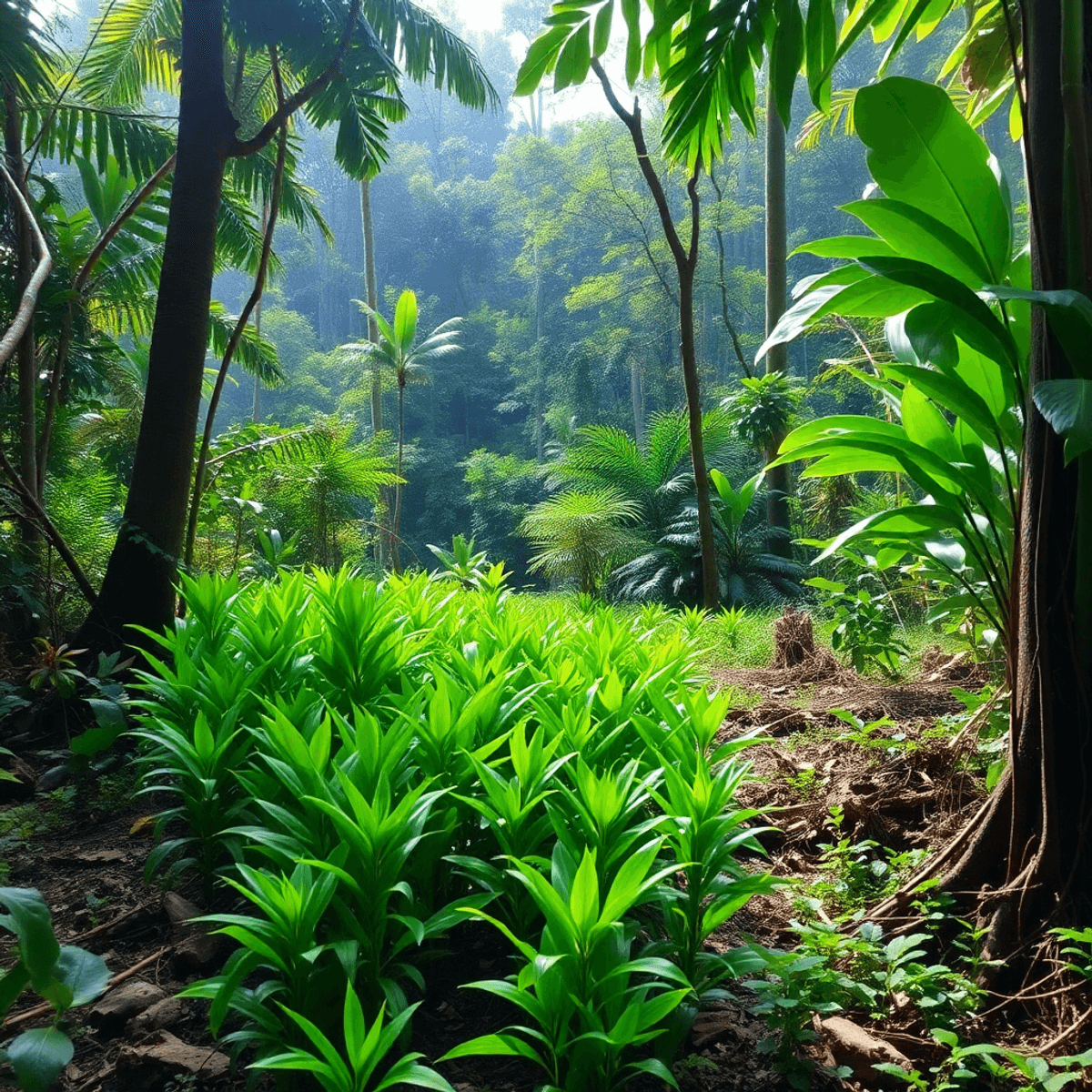
Cambodian Yerba Mate is a hidden gem in this changing area. It grows in the far-away tropics of Cambodia using methods that help nature. This drink mixes old yerba mate ways with the many plants and animals found in Southeast Asia. It puts the focus on green living and supports farm ways that keep native plants and animals safe. These methods also help local people.
Key features of Cambodian yerba mate include:
Grown under natural forest canopies to help keep ecosystem balance.
Made with animal-friendly and wild harvest ways.
A choice that is good for the environment for adventure-loving tea drinkers who want real taste experiences.
This rare plant is a special find that encourages you to try new tastes. It gives you a good way to enjoy a drink that boosts your energy. At the same time, you help care for the environment when you choose it.
The Origins and Characteristics of Yerba Mate
Yerba Mate is a much-loved herbal drink that started out in South America. The first people there found that the Ilex paraguariensis plant could give energy when made into a drink. Yerba mate stands out because of the way people get it ready and drink it. The special way to drink it is with a straw called a bombilla, which is put into a dried-out cup made from a fruit shell. This way of drinking not only makes the tea feel even better but also brings people closer to the old ways of the local groups.
Distinct Flavor Profile
Yerba mate is not like other herbal teas. It has its own special taste. You will notice grassy, earthy, and a little bit of bitter notes in it. This mix of flavors comes from the place where the plant grows. A lot of the time, yerba mate is taken from wild or half-wild places in forests with many different plants and animals.
People say the taste of yerba mate makes them think of finding something hidden in the jungle. The fresh leaves can give you a bold but calming taste, like sitting in a house on a mountain while you see steam from hot water early in the cool morning.
Organic yerba mate is a good choice for people who love real herbal drinks that do not have any man-made chemicals. The way the leaves are made gives this drink its pure feel. The leaves are dried and set aside for some time in a way you cannot taste. This helps to make the smell and taste even better than most other teas or drinks you may try.
Caffeine Content and Health Benefits
Yerba mate has a good amount of caffeine. It is not as high as coffee, but there is more than in green tea. This mix of caffeine can give you energy. You will not feel shaky like some do with strong coffee and energy drinks. Yerba mate also has other things like antioxidants, vitamins, and minerals. People say it helps feel more awake, but it can help you feel calm too.
People who care about health like yerba mate because it may help with mental focus, speed up metabolism, and help digestion. Because of these things, many people choose yerba mate when they want a drink that gives energy but is still relaxing. It stands out from other herbal drinks for these reasons.
People are now showing more interest in organic yerba mate. This is part of a bigger movement. People want products that be good for the planet. These products also respect old ways. Soon, Cambodian yerba mate will share these points, too.
Cambodia's Untapped Potential for Yerba Mate Cultivation
Cambodia’s remote tropics are a great place to grow yerba mate. The area is known for its clean nature and rich plant and animal life. These tropical farms do well because the land is still in its natural state. This makes it perfect for this crop.
1. Biodiversity-rich tropical regions
The forests and jungles in Cambodia are full of different plants and animals. Together, they help keep life in balance and support farming that can last for many years. Yerba mate plants do well here because they grow with other local plants. These other plants help make the soil good and keep everything in nature working well.
2. Climate and soil conditions
The weather in Cambodia is often warm. There is also a lot of moisture in the air. The soil is rich and good for plants. These parts of Cambodia are much like the places where yerba mate grows best. Because of this, yerba mate can grow here well and stay healthy. It does not need much help from people to do well.
3. Natural habitat preservation
Cambodian yerba mate farms do things differently than big monoculture farms. They let local plants grow along with their yerba mate. The farms do not clear all the plants out. This way, the land keeps places where animals can move. It also helps bees and other pollinators stay, which is good for the farms and for the future.
Cambodia is known as a hidden gem because it has a lot of untapped natural resources. The country has a good chance to grow more crops. It is not very famous in world tea markets, but there are open doors to try new ways to grow crops. These new ways can help with conservation goals as well.
1. Hidden harvest opportunities
Bringing yerba mate farming into the far parts of Cambodia gives people a way to earn money. This can be done without harming the land or nature. Small farms can grow unique crops and use what local people know about their land and forests.
2. Sustainable diversification
By growing more types of crops and not just sticking to old ones, farmers in Cambodia can get money from different sources. This also helps keep the land and nature safe. Trying out many crops helps people in the countryside stay strong when weather or climate changes hurt their area.
The mix of many kinds of plants, good weather for growing, and care for the earth make Cambodia a great place for yerba mate farming. This can be good for the land, and it can also bring new ways to earn money for people there.
Sustainable Farming Practices in Cambodian Yerba Mate Production
Cambodian yerba mate growing uses sustainable production methods. These focus on keeping the jungle ecosystem healthy and help plants grow well. Farmers use organic farming, which means they stay away from man-made pesticides and fertilizers. This helps keep the soil rich and safe for animals living there. By following these earth-friendly methods, the land will keep giving good crops for many years and keep things in nature working as they should.
Agroforestry: A Key Approach
Key to proper yerba mate farming in Cambodia is the use of agroforestry.
In this practice, many kinds of plants live in the same spot. People copy how a real forest works by growing yerba mate bushes with local trees, bushes, and plants that cover the ground. Having these types of plants:
Improves the way soil holds together and helps nutrients move around in it
Gives homes for insects and pollinators that are good for the land
Makes it less likely for pests and sickness to spread, and does this without the use of chemicals
Keeping many kinds of plants and animals in these plantations is important for the environment. It also helps the land stay strong when weather changes. The eco-friendly practices that farmers use fit with a bigger goal of sustainable agriculture. This goal is to have balance between growing crops and taking care of nature.
Earth-Friendly Water Management Techniques
Along with agroforestry, Cambodian producers also use earth-friendly water management methods. These can be things like rainwater harvesting and drip irrigation. These ways help to cut down on water waste in far-off tropical places. Mulching with organic materials helps to keep in moisture and stop weeds from growing.
Selective Harvesting for Regeneration
Farmers also use careful harvesting. They pick only some yerba mate plants at a time, so they do not use up all of them. This gives the plants time to grow back before people come to pick them again. The way they look after the land shows deep respect for Cambodia’s variety of living things. It also helps show why Cambodia is a hidden gem in the way it makes yerba mate in a better way for the earth.
These combined efforts help Cambodian yerba mate stand out as a new way that traditional herbal plants can do well when people care about the environment. This helps nature stay balanced and supports local people who depend on it for work and their daily needs. You can see these methods not just with yerba mate, but also in many other parts of farming. This is shown in this report, which talks about good ways of farming all over the world.
Environmental Benefits and Conservation Efforts in Cambodian Yerba Mate Farming
Sustainable yerba mate farming in Cambodia is about more than just growing crops. It helps create ecosystem friendly practices that keep many kinds of plants and animals safe. The yerba mate farms work as green paths for wildlife. They help make homes for many different animals that live in Cambodia’s tropical forests.
Biodiversity conservation is very important for these farming systems. When farmers grow yerba mate together with local trees and other plants, they make a place with many layers. This way:
Gives birds, insects, and small mammals a place to live and food to eat.
Keeps soil healthy by moving nutrients around in a natural way.
Boosts pollinators’ work, which is key for plant making new plants.
Such agroforestry models give a real way to help wildlife conservation. They help keep forests connected. This connection helps animals move and share their genes with other groups.
Farmers do things to help save at-risk animals and plants that live in or close to their farms. Some things they do are:
Setting up buffer zones around important homes for animals where no chemicals are used.
Joining local tree planting events and planting local trees that help rare animals.
Keeping an eye on animal numbers with help from the people in the area to check the health of the ecosystem.
Some plantations work with environmental groups to use conservation practices. This can include ways to control harvesting so people do not take too much from nature. These steps help keep the yerba mate crops and protect the plants and animals nearby for a long time.
Moreover, some of these ways of farming that are good for the planet have been shown to improve animal health. This is something many people do not notice about these farming methods that are good for the earth.
When you bring together money-making work and caring for the environment, Cambodian yerba mate farming shows that farming can go well with taking care of nature. This way helps people see how good farming can protect Cambodia’s special tropical places and give jobs to local people.
The Unique Flavor Profile of Cambodian Yerba Mate: A Tropical Twist on Tradition
Cambodian yerba mate gives you a fresh change from the usual South American kinds. This exotic tea brings you a taste shaped by the rich and green places in Southeast Asia. You will find the air in Cambodia is warm and wet. The soil is good and comes from old volcanoes. There are many plants and animals. All these things come together to give this drink its special smell and taste.
Distinctive Taste Characteristics
1. Herbal Complexity with Tropical Nuances
Cambodian yerba mate is not like the usual grassy and a bit bitter taste that you get from most yerba mate. It has a touch of fruit flavors, like mango, lychee, and passionfruit. You can taste these along with the earthy and woody feel in the drink. All of this makes the drink feel lively and well-balanced.
2. Mild Sweetness and Smooth Finish
The way fermentation works with this yerba mate makes it a bit sweet. This takes away most of the strong taste that yerba mate has and gives it a smoother feel when you drink it. It is easy for people to like, whether you have had a lot of specialty tea or you are just trying soft herbal drinks for the first time.
3. Refreshing Brightness
The high humidity and regular rain help the leaves keep more essential oils. This gives them a fresh and bright feel that many people think of for good tropical foods. This freshness makes the taste stand out. You get more than just the buzz from caffeine. You feel and enjoy the drink in a new way.
Positioning Within the Global Specialty Tea Market
Cambodian yerba mate comes up as a new drink that stands out from others around the world. It is sure to get people’s attention, especially those who like to try new things. The taste has many layers, so it fits in with what people want—rare teas that bring together old customs and new local touches.
Appeals to consumers interested in:
They focus on farming that is good for the earth and make sure products come from trusted places.
They try out fresh and different flavors, not just the usual herbal teas.
People help keep many types of plants and animals alive by choosing these drinks.
Opportunities for blending and product innovation:
Producers now mix Cambodian yerba mate with local herbs or tropical fruits. This makes it even more popular in drinks that are good for health. People use it in many new tea blends.
The unique taste of Cambodian yerba mate helps it stand out as a tropical treat. Many people around the world now want products that feel real and also care about nature, and Cambodian yerba mate fits both of these needs.
Ethical Sourcing and Responsible Production in the Cambodian Yerba Mate Industry
The rise of ethical beverages has put the focus on the need for responsible sourcing in the worldwide tea market. Cambodian yerba mate is a good example of how being open and fair in trade can help people trust both sides. When producers tell people about how they grow the tea, the way they treat workers, and if the community is involved, it makes sure that each cup of yerba mate brings good quality and also helps people do the right thing for others.
Key elements of ethical production in Cambodian yerba mate include:
Fair Compensation: Farmers and workers get fair pay. These wages show what they add to growing yerba mate in a way that helps the earth.
Community Empowerment: Local people get jobs, learning chances, and tools through growing yerba mate. This helps their town grow and feel strong.
Traceability: Good records watch the product from the start as a seedling to the final box. This lets people check where it comes from and how it was grown.
In line with these practices, sustainable sourcing strategies are used to make the industry better for the planet and people. Eco-aware branding helps pull in buyers who care about the environment. Packaging may show seals for “organic” or “fair trade.” Marketing often points out the link between Discover the Hidden Gem: Cambodian Yerba Mate Produced Sustainably in Remote Tropics and its promise to help protect the world’s natural spaces.
Producers use storytelling ways that show:
The mix of different plants and animals around the farms is special.
The farms and forests both need care, and people work hard to keep things in balance.
There is teamwork with groups that look out for animals and plants that are at risk of disappearing.
These kinds of methods work well with buyers who want products that match their values. Labels might use eco-friendly materials or simple designs to cut down on waste. This helps show that the idea of being sustainable is about more than just how things are grown.
People buying Cambodian yerba mate are not just enjoying a new herbal drink; they also join in a bigger trend to support fair ways of making things that care for people and the land. This way of growing yerba mate shows how smart farming can help both the quality of the drink and how sure buyers feel about the special teas they buy.
Integrating Traditional Knowledge with Modern Innovation: The Future of Cambodian Yerba Mate Production
The mix of traditional farming methods and modern techniques gives hope for yerba mate production in Cambodia. People there use what their families have learned and shared over many years to grow crops that do well in the unique weather and soil of Cambodia’s faraway tropical places. Their strong knowledge about what’s good for plants helps crops grow well. It also keeps the soil rich and helps keep nature balanced.
Key elements in this integration include:
Careful pruning and shade management: Old ways help to use sunlight better. This helps leaves grow well.
Natural ways to handle pests: Local plants and living things are used. This helps people use fewer chemical sprays.
Ways to save water: Local ideas about how to give water help save it. This is good in places that need rain for farming.
Modern progress in tea innovation helps these old methods. It brings in new farm tools like:
Soil nutrient mapping to adjust organic fertilization
Eco-friendly processing technologies that keep flavor while cutting down waste
Controlled drying environments for better results and longer shelf life
This work helps to get more and better yerba mate in Cambodia. It does this without hurting the environment. Because of all this, Cambodian yerba mate stands out in the herbal drinks market as a great example of eco innovation.
Exploring Cambodia's many kinds of plants and animals can lead to many new ways to make tea. When you mix yerba mate with herbs, flowers, or spices that grow in the area, you can create teas that show what is special about Cambodia's nature and history. New ideas for tea could be:
Infusions made with leaves like lemongrass or pandan to give more taste
Drinks that help with health, using local plants and yerba mate for energy
Drinks that you can open and drink right away, made with ways that do not harm the earth and are good for people now
These new products do more than just add more market choices. They also help connect old knowledge with what people want today. These efforts help the farming economy stay strong, by using nature in a good way and showing respect for local culture and history. This makes Cambodian yerba mate a good and lasting pick for people who drink tea around the world.
Eco Tourism Opportunities Surrounding Cambodian Yerba Mate Plantations
Cambodia’s sustainable yerba mate plantations give a good way for eco tourism fans to see what it is like to live in an environmentally friendly way, close to nature. The plantations are set in green jungle areas. They welcome nature lovers and tea enthusiasts to learn about the close bond between the plants, animals, and tea growing traditions in this area.
Attractions for Visitors
1. Immersive Nature Walks
Guided tours take you through lush yerba mate groves. Here, you can see the many layers of the jungle and how things work together. These tours show how agroforestry helps keep the soil healthy. They also help keep native plants safe and support homes for wild animals.
2. Tea Culture Experiences
Visitors can join workshops about how to pick, dry, and make Cambodian yerba mate tea. In these sessions, you get to learn how local customs link with green farming methods. This mix helps create a special green tea experience that is different from others.
3. Conservation Education
The people who run the plantation tell stories about how they work to keep rare animals safe and bring back forest land. At the learning centers, displays show why environmental sustainability and green ways of growing food are linked and important.
Benefits of Eco Tourism at Yerba Mate Sites
Encourages people in the community to get involved by making jobs that come from sustainable farming and work in places where guests stay.
Helps travelers who care about doing good for the earth to learn more about taking care of the environment.
Helps more people value Cambodia's natural history as well as its new place in the world’s growing tea market.
Through these trips, people can better see how making green tea and saving nature can work together. This helps to create ideas where growth in business is good for both people and the Earth. The fresh mix of travel and careful farming shows Cambodian yerba mate farms as lively places, where learning about nature goes along with local culture.
Challenges Ahead: Balancing Economic Development with Environmental Protection in Cambodian Yerba Mate Industry
Keeping economic growth and care for the environment in balance is not easy in the Cambodian yerba mate field. The people who farm and make yerba mate face many hard things each day. They need new ways to solve these problems. These answers should come from good Conservation Practices and respect for Untouched Nature.
Key Challenges
1. Infrastructure Limitations
Remote areas in tropical places often do not have good roads, places to keep things, or processing plants. Not having these things can slow down work and make it hard for Cambodian yerba mate to be made and sent out. This makes it tough for the product to keep up with others in local and world markets.
2. Market Acceptance Hurdles
Bringing a new drink like Cambodian yerba mate to the world tea market can be hard because people do not know much about it yet. To help people feel sure about its quality and taste, companies need to focus on good marketing and share the right information. They also need to show that it is made in a good way for the planet.
3. Environmental Sensitivities
Growing more crops can take over areas that are already home to special plants and animals. If this is not managed well, it can hurt these important places. It is very important not to cut down forests or harm the places where plants and animals live. This helps keep Cambodia’s rich wildlife safe. Yerba mate grows well in these wild areas.
Pathways Through Eco Innovation
Dealing with these challenges needs fresh ways that put together old ideas and new tools.
Agroforestry Enhancements: Using advanced agroforestry methods helps create a forest with many layers. This makes the soil better and also keeps native plants safe. This practice supports Untouched Nature as well as plantations that make a good amount of crops.
Renewable Energy Solutions: Using drying systems powered by the sun or making energy from plants can lower the amount of carbon made during the process. This shows strong support for Environmental Protection.
Digital Marketplaces and Traceability Tools: Using blockchain or QR codes helps people see where their products come from. Shoppers can follow their Cambodian yerba mate from the farm all the way to their cup.
Collaborative Conservation Programs: Farmers, NGOs, and government groups work together to look after and manage planting areas. They help protect the places where threatened animals live.
Discover the Hidden Gem: Cambodian Yerba Mate Produced Sustainably in Remote Tropics represents not only an exotic taste adventure but a model of how eco-conscious agricultural development can flourish without sacrificing Untouched Nature. Embracing these innovations ensures that economic benefits do not come at an environmental cost, securing a resilient future for this promising industry.
Conclusion
Find out about Cambodian yerba mate, a hidden gem from far tropical places. This drink comes from careful and green farming that helps care for the land. The herbal tea is known for its special taste. You get more than just flavor — it also shows a promise to save the local plants and animals in these areas and help many kinds of life grow.
Choosing Cambodian yerba mate means:
Supporting ethical sourcing that values fair trade and cares for the environment
Enjoying a drink grown with care for Cambodia’s rich natural roots
Taking part in the work to save hidden harvests that help local people and animals
This tea is made for people who love tea and care about how it is made. You can enjoy the real taste of the tea and feel good knowing you help support global conservation. When you try these teas that are made in a way that helps the planet, you help build a world where people and nature both do well. This lets development and care for the earth work side by side.
Let your next cup be more than just a time to enjoy yourself. Make it a way to enjoy Nature's Bounty, too. With each sip, feel a link to far-away tropical lands and to the hard-working farmers who bring you this special drink. Cambodian yerba mate shows how tradition, new ideas, and care for nature can come together and make something very special.
FAQs (Frequently Asked Questions)
What makes Cambodian yerba mate a unique and sustainable tropical beverage?
Cambodian yerba mate is a special tea made in far-off, tropical parts of Cambodia. It is grown in a way that is good for the earth. The farms take care of the land and plants and get their tea in fair ways. This tea is different because it comes from places with a lot of different plants and animals. Tea lovers who care about the planet and want to try new herbal drinks will like this one.
How does the tropical terroir of Cambodia influence the flavor profile of its yerba mate?
The tropical climate of Cambodia gives its yerba mate a new taste that is different from what you get in South America. This different flavor stands out and is great for people who like to try new teas. It is also good for those who enjoy drinks with fresh and surprising tastes.
What sustainable farming practices are used in Cambodian yerba mate production?
Cambodian yerba mate farmers use farming methods that are good for the earth. They practice organic farming and grow trees along with other plants. These eco-friendly ways help keep many types of plants in the area. The farmers grow different kinds of plants together, which helps the jungle stay healthy and supports the local environment. This way, they grow yerba mate without hurting nature.
How does Cambodian yerba mate farming contribute to environmental conservation?
Sustainable yerba mate farming in Cambodia helps keep plants and animals safe. It also supports wildlife protection by keeping natural places safe inside the farms. The farmers work hard for conservation so that endangered animals and plants are not harmed. They help keep the ecosystem healthy. This type of farming also lets people earn money without hurting the environment.
What role does ethical sourcing play in the Cambodian yerba mate industry?
Ethical sourcing makes sure there is clear information, fair trade, and good working practice in the Cambodian yerba mate business. This way, you know the drinks are made with care for people and the earth. It also helps the brand connect with people who care about the environment.
Are there opportunities for eco tourism related to Cambodian yerba mate plantations?
Yes, eco tourism activities at Cambodian yerba mate plantations are great for people who love nature and tea. You can visit and see sustainable ways of farming. There, you will learn about local tea culture. You will also find out how the people work to save nature, and how they practice green and simple living. At the same time, you get to enjoy the green jungle and its beauty.
Emildon live-chat combines simplicity with functionality to deliver the Year 11 English Language, and it ensures conversations are seamless and professional, while also supporting quick problem resolution. The advantages focus on ease of use and real-time monitoring, whereas the benefits enhance customer retention, build trust, and encourage repeat interactions.
ReplyDelete