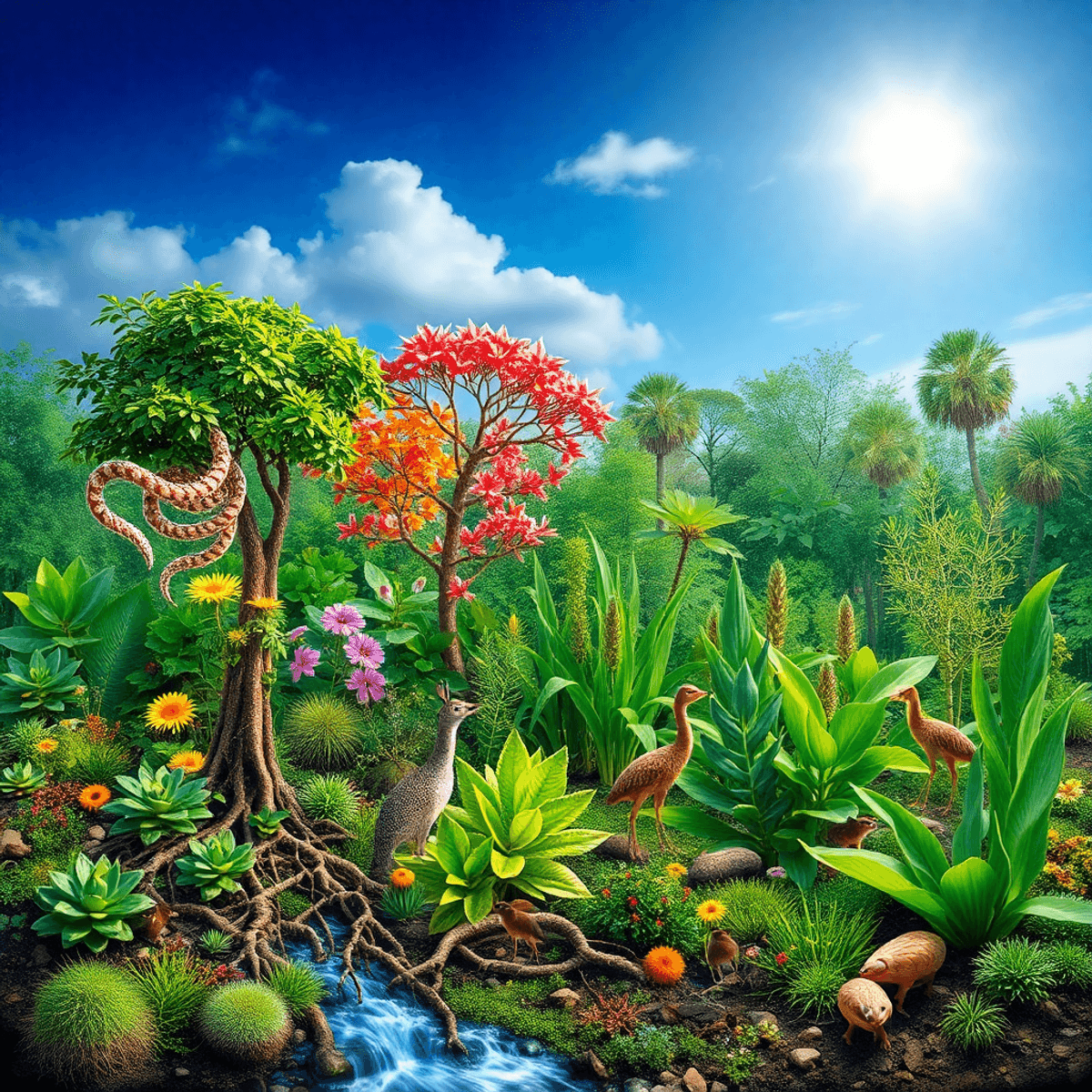
Climate change and plants and animals from other places are big threats to the air, water, and land that future generations need to live well. The problems are linked to each other. They hurt life on Earth and the good things that nature gives us, like fresh air, clean water, and rich soil. When people lose many kinds of living things because of climate change and new plants and animals taking over, it makes these things weaker. This puts our food, jobs, and the way nature recovers at risk.
Human actions, including cutting down trees, pollution, and travel that does not last, be big causes of problems for our planet. For example, building better public transport that is good for the earth can help reduce carbon gases and stop harmful plants or animals from moving around the world through trade, like when green tea is shipped between continents.
Knowing how biodiversity, what the ecosystem does, and the way people act are linked is important. It helps us make good plans so the planet can be a healthy place to live. This article looks into these links. It helps us understand how to keep our shared environment safe for everyone.
The Role of Invasive Species in Biodiversity Decline
Invasive plants and animals from other parts of the world are a big problem for native wildlife everywhere. Many of them get moved when people carry living things from one place to another. Sometimes people mean to do it, sometimes they do not. That is how these living things get past natural borders and settle in new areas.
Pathways of Introduction
Here are some ways that new plants or animals that do not belong in an area get brought in:
Public transportation and global trade: Ships, airplanes, and cargo containers can bring seeds, bugs, or small animals without people knowing. These things can hide in goods or in the water used by ships.
Agricultural practices: Plants and animals that do not come from this place and are used for food can get out and end up in nature here.
Pet trade and ornamental horticulture: Animals and plants that are kept as pets or for how they look can get out into the wild because of these activities.
Human eating habits are also part of this. For example, when there is more meat eaten, there is more livestock farming. This can sometimes bring in new parasites or diseases that harm local wildlife.
Mechanisms of Impact on Native Species
Invasive plants and animals mess up how things work in nature in a few main ways:
Predation: When new predators come to a place, they can quickly wipe out animals that have not learned to protect themselves. A good example is the brown tree snake (Boiga irregularis). After it arrived in Guam, it wiped out nine local kinds of birds by eating their eggs and young ones.
Competition for resources: Invading animals or plants often use more food, water, or space than those that were there first. The zebra mussel (Dreissena polymorpha) is a well-known example. It lives in lakes and rivers in North America, eats lots of plankton, and leaves not enough food for the local animals. This also changes how nutrients move through the water.
Disease transmission: Animals or plants that do not belong can bring germs that the local animals are not used to. This can give rise to deadly outbreaks. A well-known case is the spread of the chytrid fungus through the global trade of frogs and other amphibians. This has caused the number of amphibians to drop all over the world.
Habitat alteration: Some new plants or animals can change the place where they live so much that the local animals and plants can no longer use it. A plant called saltcedar (Tamarix spp.) grows along riverbanks in the southwestern United States. It makes the soil more salty and changes the way
Case Studies Demonstrating Detrimental Effects
Here are some case studies that show how bad invasive plants and animals can be:
Brown Tree Snake on Guam: This snake hunts at night. It came to Guam after World War II in military shipments. The birds, which lived on the island, did not have any regular snake enemies before. A lot of these birds died fast. Because of this, the island lost many birds that helped spread seeds. Forests could not grow back well without them.
European Green Crab (Carcinus maenas): This crab got to North America when ships dumped dirty water from their tanks, called ballast water, on the Atlantic coast. The crab eats animals like clams with two shells and fights with other local crabs for food and space. This change has hurt people who catch shellfish and changed the balance of life along the coast.
Water Hyacinth (Eichhornia crassipes): This plant comes from South America. It was taken to many new places because people like how it looks. Now, it can be found in many countries. It grows thick and covers freshwater places like lakes. It blocks sunlight from getting into the water and lowers the amount of oxygen for
The big effects of invasive plants and animals show how the things people do are strongly tied to what happens in nature. To keep our local animals and plants safe, people must know how these things spread and how they work. This way, we can stop them from going into new places.
Understanding The Interaction Between Climate Change and Invasive Species
Climate change mostly happens because there are more greenhouse gases than before. This change makes it easier for new plants or animals to move into, live in, and take over places they did not live before. When the world gets hotter, or the rain changes, or there are more big storms, the usual homes for plants and animals change, too. This often makes it easier for newcomers to move in.
How Climate Change Helps Invasive Species Spread
Warmer temperatures let invasive animals and plants that like heat move into new places where they could not live before.
Changes in seasonal cycles can change when living things breed or move, and this often helps invasive animals with many ways to have young.
More carbon dioxide in the air can change how plants grow. This sometimes helps fast-growing invasive plants instead of the slower native ones.
Changed water patterns, like more dry times or flooding caused by climate shifts, make problems in water and land places. Invasive types can use this to build their numbers.
In this case, places with water can feel changes very quickly. When water gets warm, there can be more outside types of fish or algae. These can push out the ones from here. Then, this can change the food chain and the way stuff moves in the water.
Combined Pressure on Native Ecosystems
Native plants and animals have many problems because climate change and invasive plants and animals affect them at the same time.
When the land changes because of the weather, there is less space for the plants and animals that live there.
Invasive plants or animals make it harder for the others that live there to get what they need like water, food, and shelter.
The chance of more people getting sick goes up when invasive germs or carriers start to spread faster because the weather is changing.
Invasive plants or animals also stop new native plants from growing well by changing the dirt and the small climates around them.
This double pressure makes ecosystems less strong. They cannot bounce back well after things go wrong. Because of this, natural groups of plants and animals have a hard time keeping the way they work and look.
Consequences for Ecosystem Productivity and Health
Ecosystem productivity goes down when invasives change the normal flow of nutrients or cut down the number of species. With fewer kinds of plants, there is less photosynthesis. This means the plants store less carbon, which is needed to help slow down global warming. Bad soil health can happen if the roots of new species spread or bacterial groups change. This makes it harder for the soil to give the nutrients needed for native plants to grow.
Ecosystem restoration efforts now see that it is important to take care of both climate stress and the problem of unwanted plants or animals at the same time. This is needed to help nature stay in good shape. Different plans include:
Helping local plants and animals that can handle changes in weather that may come in the future
Using less energy for bringing land back to life by using power from clean sources like solar panels
Making homes for wild animals and plants more linked so they can move more easily
The way climate change and new plants or animals move to places they do not belong is a big problem. This is not an easy issue. We need to use different plans to help protect nature. At the same time, we should try to cut down on the things that keep harming the environment.
Effects Of Biodiversity Loss On Natural Resources And Ecosystem Services
Biodiversity is what lets life work well on Earth. When we lose biodiversity, it hurts how things like clean water, healthy soil, and the way nutrients move in the ground work. These services are important natural resources for everyone.
Degradation of Abiotic Factors
Water Quality and Fresh Water Availability
Having many kinds of plants and animals in a place helps keep fresh water clean. They do this by taking out bad stuff from the water and keeping nutrients in check. When native animals or plants go away, these helpful steps do not work as well. So, water pollution goes up. This makes it tough for people to get clean water for drinking, farming, or work.
One good way to see this is with wetlands. Wetlands full of life can soak up too many nutrients and dirt. When they are damaged, there can be too much nutrient in the water and bad green stuff grows on top.
Soil Health and Nutrient Cycling
Soil ecosystems need many types of living things like microbes and earthworms. These organisms break down nutrients and help keep the soil stable. When the number of different life forms drops, the variety of microbes also gets lower. This harms the nutrient cycling that plants need to grow well. When soil is not healthy, farms make less food. This can lead to less food for people. It can also make people use more made-up fertilizers, and these products can make water dirty.
Disruption of Food Chains and Ecological Balance
Biodiversity helps build rich food webs. In these webs, animals and plants live together and affect each other in many ways. They may eat each other, compete, or help each other. If some important animals or plants go away, or if new harmful ones take over, it breaks these connections.
Collapse of Food Chains
Many kinds of animals and plants need certain prey or pollinators to live. When one organism is lost, it can cause changes at many levels. Some groups may shrink or even disappear. This upsets the balance, and things get out of order. It, the, also, harms both wildlife and people. The, A, good life that people get from jobs like fisheries and forestry can suffer. Lives that depend on food from the land, from the water, and from trees, are hurt.
Altered Energy Flows
Ecosystems need good energy flow. Plants give energy to animals. These are animals that eat plants or other animals. When there is less variety in living things, this chain is broken. Some animals or plants can disappear or get replaced. This changes the way energy moves in the system. Because of these changes, the system does not stay strong. The environment can become weak. It may not be able to handle big weather changes or new kinds of plants and animals coming in.
Additional Impacts Related to Human Consumption Patterns
The link between the loss of many plant and animal types and what people do every day can be seen in problems like food waste and bigger footprints on nature. Taking too much from the earth for things we use makes harm to the land worse:
Growing farm land into wild areas cuts down the number of plants and animals there.
People use too much, and this puts stress on nature so it cannot heal.
People want rare things, like green tea shipped from far away. This shows how trade around the world connects local wildlife problems to bigger changes in climate.
“The Impact of Climate Change on Future Generations: What You Need to Know About Intercontinental Green Tea Delivery” highlights how climate-related shifts affect supply chains reliant on diverse natural systems, reminding us that protecting biodiversity is integral not only to ecological health but also economic stability.
Keeping biodiversity safe helps keep our planet in good shape. It makes sure that we all get fresh water, rich soil, clean air, and stable weather. These things are important for us, other people, and all life now and in the years to come.
Human Activities Driving Biodiversity Loss And Environmental Damage
Human activities are a big cause of losing different plants and animals, along with harm to nature. What people do can break up the balance in nature. This can change things like soil and water. It can also ruin places where animals and plants live and that they need to stay alive.
Key Drivers of Biodiversity Decline
Habitat reshaping and agriculture expansion
Changing forests, wetlands, and grasslands into farm fields takes away many natural places for plants and animals.
Monoculture farming makes there be less plants of different kinds. It also changes the soil because farmers use a lot of fertilizers and pesticides.
When landscapes break up, wild animals struggle to move and breed. This makes small groups of them that can easily die out.
Urbanization
Fast growth in cities takes over many areas and puts up concrete buildings.
, more pollution, and more heat. All these things put stress on local plants and animals.
More hard surfaces stop water from soaking into the ground like it should. It changes where the water goes and this hurts water habitats.
Fossil fuel use and pollution
When people burn fossil fuels, it releases greenhouse gases. This leads to climate change. Climate change puts animals and plants at risk because their homes move or change and the way they live together can be different.
Pollution in the air leads to rain that harms the soil and water.
Waste from factories brings bad things into the land and water, so animals and plants feel sick or may die, especially those that are easy to harm.
Environmental Impacts Beyond Biodiversity
The harm done by things people do also hurts bigger environmental problems. These problems are very important for how the ecosystem works.
Soil health deterioration happens when there is erosion, fewer nutrients, and chemical pollution. This lowers how much food or plants the land can grow. It also makes it harder for the land to keep carbon in the soil.
Water quality decline is caused by extra dirt, chemicals running off, and waste water getting into rivers and lakes. These things hurt fish and plants in the water. It also makes the water less safe for people to drink.
Climate regulation disruption happens when there are less plants. When the land loses many plants, it stores less carbon and gets warmer around those areas.
Efforts aimed at environmental protection need to look at how these things work together. It is important to fix how habitats change and cut down pollution at the same time to bring back healthy ecosystems. Using the land in smarter ways, relying less on fossil fuels, and working on ways to cut pollution are key steps to stop damage to the environment. We need to see that what people do affects both living things and non-living parts of nature, which shows just how complicated these issues can be.
Strategies For Protecting Biodiversity And Natural Resources In The Face Of Climate Change And Invasive Species Threats
Dealing with the big problems of losing plants and animals and having unwanted plants or animals move in needs ecosystem restoration programs and plans for development that help both people and nature. These efforts should work for the planet, for communities, and for the economy. There are many countries and groups that now use different steps to keep out unwanted plants and animals. At the same time, they are also working on things that fit with the Sustainable Development Goals (SDGs).
Effective Management of Invasive Species
Early Detection and Response: Watching the land for new problems helps people act fast before the unwanted plants or animals get a chance to spread. This way, there will be less harm to nature over time, and it will not cost as much.
Biological Methods to Keep Populations Down: Bringing in animals or bugs that only go after the unwanted plants or animals can help lower their numbers. This does not hurt plants and animals that belong in the area.
Physical Removal and Making Habitats Better: Taking out the problem plants by hand or with machines, and then adding good plants that used to be there, can help land and different kinds of life stay healthy. This lets the dirt keep more water and adds more food for plants.
Public Awareness Programs: Teaching everyone about the dangers of letting plants or animals from other places loose can help people understand why they should not do these actions that make the problem worse.
Integrating Sustainable Development Practices
More and more, people who work to protect nature focus on using sustainable design ideas. These ideas help keep our planet strong and healthy. They also make life better for people.
Sustainable Materials and Energy: Using clean energy sources and materials that last help cut down on harm to the earth. This keeps habitats safe and helps limit pollution that can make plants and animals disappear.
Sustainable Farming: Ways like growing different crops, using trees with crops, and natural farming help the soil stay healthy without bad chemicals. This supports the earth and helps keep things people need safe for the future.
City Planning with Nature in Mind: Adding green areas, plants on rooftops, and paths for animals in cities helps plants and animals native to the area. This is good even as cities get bigger.
Linking Conservation to Social Equity
Efforts that help keep different types of life safe can get better when people also think about social fairness.
“Ensuring fair access to natural resources empowers local communities as stewards of their environment.”
Collaborative governance models get the help of local people and native groups in making choices. This way, there is respect for old ways of life, and it can also help with better care of nature.
Global Initiatives Supporting These Strategies
Several global frameworks give help and make it easier for countries to work together:
The Convention on Biological Diversity (CBD) helps countries make plans that include ways to handle invaders and focus on plans for the future.
The United Nations Environment Programme (UNEP) helps fix natural places all over the world. They want to see the land get better for both the planet and for people.
Using these combined ways helps make sure people act in a way that keeps nature working well. Saving different kinds of life by doing many things helps guard against problems from climate change. It also helps keep important services from nature working for people who come after us.
Promoting Sustainable Practices At Individual Level To Mitigate Biodiversity Loss Caused By Climate Change And Human Activities
Our everyday choices have great power to help stop loss of nature and help with climate change. When you start using sustainable living practices, you can lower your carbon footprint. This also helps take pressure off nature.
Key approaches for reducing energy consumption and carbon dioxide emissions include:
Use renewable energy like wind or solar power at home. This is part of a bigger move towards renewable energy. It helps the world use less fossil fuels. That way, greenhouse gases go down.
Use less energy by picking LED lights, good home appliances, and smart thermostats. These let you get the most from your electricity without losing comfort or things you need.
Practice water conservation techniques, such as fixing leaks, putting in low-flow fixtures, and saving rainwater. These can lower the water you use. They also lower the energy used to get water ready for homes.
Eat foods that are grown local and in season. This helps farms that care about the planet. It also lowers the pollution that comes with moving food far. For example, learning about The Impact of Climate Change on Future Generations: What You Need to Know About Intercontinental Green Tea Delivery shows how shipping things can add carbon to the air.
Lower the amount of trash you make by composting food scraps and recycling. This keeps more methane from going into the air from dumps. Methane can make the planet warmer.
Turning off lights when you do not need them and cutting down on using electronic devices help save a lot of energy as time goes on. These small changes help two things. They make good savings in your power bills, and they lower the stress on nature as making energy messes up where plants and animals live. Over time, all people who get into these habits will make a big positive change.
Living in a way that cares for the earth helps people feel more linked to nature. When you know your own role, it goes hand in hand with bigger plans to protect nature. This also helps people grow good habits that keep different plants and animals safe for many years.
In addition to these practices, learning new skills such as business writing or a new language can help us speak up for sustainability. Learning how to write polite and professional emails is very useful. It makes teamwork and planning for sustainable actions easier. Also, if you know how to set an out-of-office auto-reply, you get more time to do things that are good for the environment.
The Importance of Social Equity in Global Biodiversity Conservation Efforts Amidst Climate Change Challenges
Social equity is very important for good biodiversity conservation across the world. The way people get things from nature, like clean water, good soil, and types of plants and animals, is often not the same in every community. This shows bigger differences in money and living standards. These gaps affect which groups get help from conservation work and which ones feel the bad results from harm to the environment.
Key Challenges
Some key challenges include:
Unequal access to water conservation technologies: Many people in underprivileged groups do not have steady access to clean water. They also miss out on good water management systems. This makes it hard for them to help take care of local ecosystems.
Disparities in food chain stability: Local and rural groups count on plants and animals nearby to feed themselves. But new animal or plant types and changing weather mess up these food webs. They hit these communities harder than others.
Air quality and health impacts: Pollution usually affects poor neighborhoods in cities more. This makes clean energy and healthy living harder for them.
Barriers to adopting clean energy: Money problems stop many families with low income from getting new sources of energy that create less carbon.
International cooperation is key to solving these problems. The United Nations runs many programs that help make sure everyone gets fair results in conservation by:
Bringing together plans that help to keep nature safe and also match up with social development goals.
Helping countries that do not have enough resources to deal with new animals or plants from outside, or to manage changes in the weather.
Supporting systems that value the local community’s wisdom and their land rights as key parts of ways to care for nature.
The United States shows how the country’s rules and global actions can work together. It spends money to bring back home places for animals and plants. At the same time, it works to be fair when giving out what people need to all groups of people who live there.
Challenges go past borders because of globalization. Things like worldwide delivery services move unwanted animals and plants very fast. This makes it important to:
Made international biosecurity rules stronger.
Set up research and tracking networks that work together.
Made sure everyone is included in making rules, with people from different cultures and money backgrounds joining in.
Making sure there is social equity helps with biodiversity conservation. It is not only about the environment, but about what is fair. This lets people everywhere live well with nature, even when global warming and the loss of habitats from invasives make things hard.
In this case, using tools like language tools can help close the space between how people talk in different groups. This helps bring everyone in when we talk about how to save and take care of our land and nature.
Case Studies Highlighting Regional Impacts Of Climatic Changes And Invasive Species On Local Biodiversity Along With Potential Solutions That Can Be Implemented Globally
South East Asia biodiversity loss case study
South East Asia is seeing a fast loss of wildlife and plants. This is happening because of climate change and new animals or plants coming in. The region has tropical forests, wetlands, and coral reefs. The area has many special kinds of plants and animals that only live there. But these places are easy to harm and can change quickly. One example:
Invasive plants such as Mimosa pigra spread fast in wetland areas. They push out many native plants that are important for animals.
Climate-induced changes like more or less rain can make things worse for these wetland homes. These changes help invasive plants move into new places where they were not before.
When people use more land for farming, it changes the land a lot. It breaks up homes for animals and plants. This gives invasive plants a better chance to take over.
Local farmers are very important here. They have old ways of knowing about local plants and good ways to care for land. This can help the land fight off new and unwanted plants or changes in weather. When groups in the area start programs to grow trees that belong here, plant forests, or work together to handle pests, it helps bring life back to these places. When farmers work together to keep watch, they also help spot new problems with unwanted plants early.
Urban ecosystem challenges: New York City
New York City shows another way where city life meets caring for plants and animals. It happens with changes in weather too. There are many tall buildings, streets, and homes, but the city also has parks, water, and green roofs. This setup makes some things hard:
Urban heat islands put more stress on animals and plants that grow and live there. These conditions also make it easier for some kinds that do not belong, like the emerald ash borer or Norway maple, to spread.
Cutting up where animals live makes it hard for them to move around. This also lowers how many kinds of animals and plants there are, and harms how well nature works.
Pollution and changes in water flow also make the quality of the natural areas go down even more.
People in New York show how many different groups can work together. These groups have local farmers who run community gardens, groups that work for the environment, government workers, and people from the area. They all join hands to put in place big plans that help everyone.
Restoration projects focus on planting local plants that do well in the area.
Integrated pest control approaches use fewer chemicals, and help people deal with pests that take over.
Green infrastructure development helps places be more connected for animals and plants, and also makes water run-off better.
These case studies show why it is key to use plans that fit local needs. At the same time, these plans use ideas that work around the world. It is important to work with local people. We should focus on native plants and animals. It helps to add steps that deal with changes in climate. Different groups need to work together to help protect nature and stop it from going down more.
It is important to know how these local problems affect us in bigger ways. For example, what we learn from these area-by-area stories can help shape worldwide plans to keep nature safe and to deal with climate change.
Also, it is important to see how technology helps us solve these problems. Using new tools can help us know more about different living things. It can also help us find better ways to deal with things like new plants or animals coming in and with changes in weather over time.
Conclusion
Taking care of nature and the things we get from it needs several ways that work together. We need to mix climate action and saving nature at every level. This has to be done by each person, by the community, by the country, and the whole world. How healthy natural systems and ecological systems are is at the heart of finding a good future for all. Everything in nature is linked, and this affects how the people who come after us will live. There are big problems, like plants and animals that don't belong and changes in the weather, but we can face them if we work as one.
Addressing these issues demands:
Coordinated rules that help nature stay strong
Help for development steps that keep many types of living things safe
Giving people the power to take part in saving nature
The Impact of Climate Change on Future Generations: What You Need to Know About Intercontinental Green Tea Delivery shows how trade across the globe and changes in the earth’s weather go hand in hand. It points out that we have to think more about how we use what nature gives.
"Every small step toward reducing environmental footprints contributes to preserving life-supporting systems for tomorrow."
Individuals can:
Cut down your carbon footprints by using clean energy.
Save water and help bring back native plants.
Speak up for rules that keep many kinds of life safe.
Becoming active and part of this important work turns worry into real steps. The mark we make will depend on the choices we take now. These choices help keep the natural world strong for the future, helping us and others.
FAQs (Frequently Asked Questions)
How do invasive species contribute to biodiversity loss and what are their main impacts on native ecosystems?
Invasive plants and animals make the number of different living things go down. This happens because they eat or fight with other animals for things they need, spread sickness, and change the places where animals live. These new plants or animals often come because of what people do, like when people use buses or trade things. This is not good for the animals and plants that are already living there, and it also hurts how well the whole area works.
In what ways does climate change facilitate the spread of invasive species and exacerbate their impact on ecosystems?
Climate change happens because of greenhouse gas emissions and higher temperatures. It creates changes in the environment that make it hard for some living things to survive. This makes it easier for plants or animals from other places to spread. The change in air and land makes homes for living things different and makes it tough for local plants and animals to fight off trouble. Over time, these problems can cause less growth, poor health, and more problems for nature as a whole.
What are the consequences of biodiversity loss on natural resources and essential ecosystem services?
When we lose biodiversity, it makes it hard for nature to give us clean water, cycle nutrients, and flow energy. Food chains get broken, and the balance in nature does not stay. This leads to water pollution and soil getting worse. There is more food waste, and people leave a bigger mark on the earth. All of these hurt the future of natural resources that people need to live.
Which human activities are primarily responsible for driving biodiversity loss and environmental degradation?
People are changing the land in many ways. A lot of this happens from growing crops and by making cities bigger. Using oil and coal makes the air dirty, and people are taking too much from the earth to use for our needs. This hurts nature. The air and ground get worse, and many kinds of living things disappear faster because of it.
What strategies are being implemented globally to protect biodiversity amid climate change and invasive species threats?
Global work centers on fixing damaged nature and using ways that match goals for growing that help everyone. These plans use materials, energy, and ideas that last, like using power from sources that keep coming back. They also work to stop living things that hurt the environment and save all kinds of life. At the same time, they look at fairness for people as a key part of what they do.
How can individuals contribute to mitigating biodiversity loss caused by climate change and human activities?
People can take steps for sustainable living. You can lower your carbon footprint by using renewable energy at home. It is also good to make your home use less energy. Try to save water. Eat less meat because raising meat leads to changes in the places where animals live. You can use public transport as well. All these things help cut down stress on the environment and protect biodiversity.
Comments
Post a Comment