Understanding the Drinking Culture of Mate Chimarrão from European SEO Hobby Expert in South America
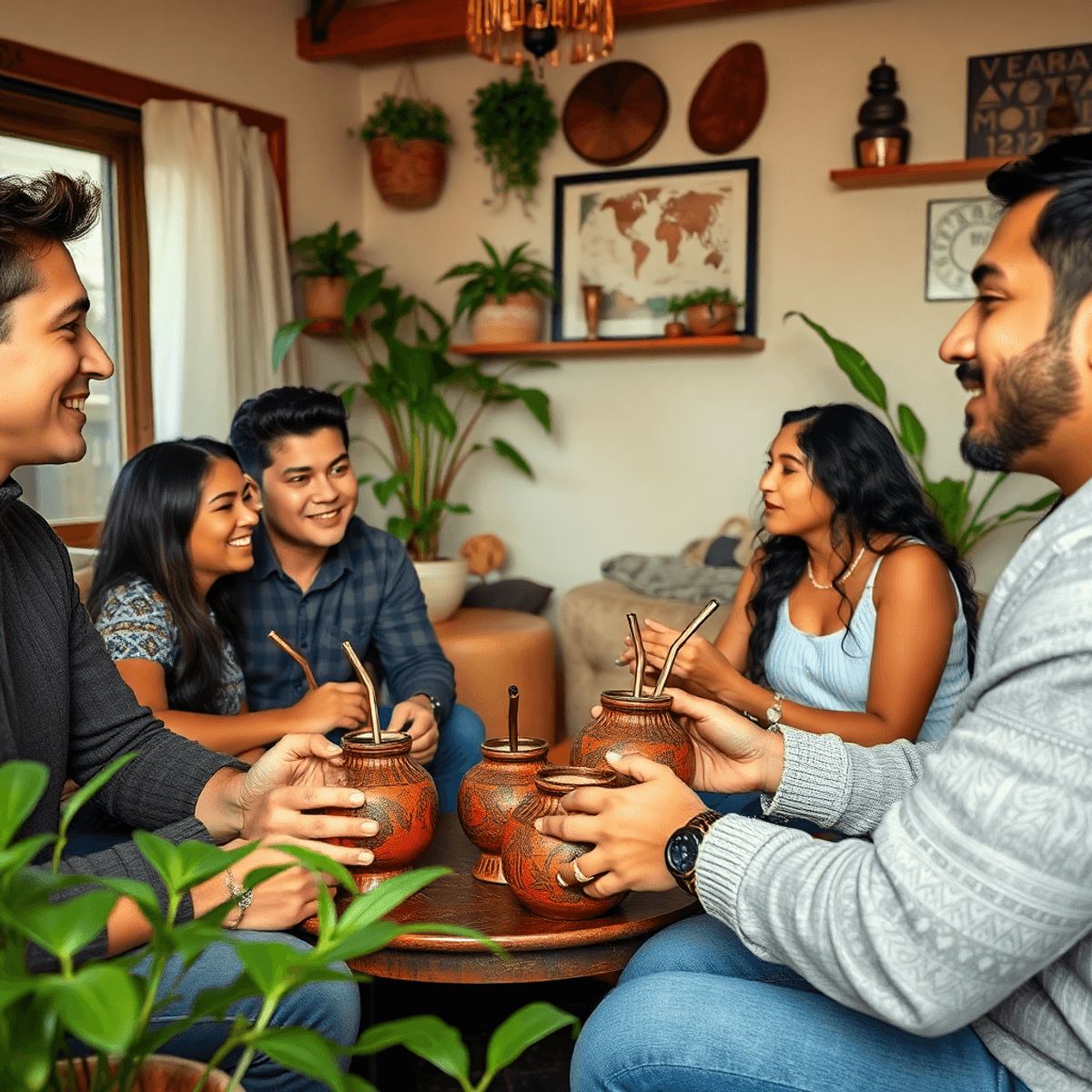
Step into the colorful world of mate chimarrão drinking culture. This is a classic South American drink. A lot of people are now picking it instead of coffee. Picture a new condo where people reach for yerba mate instead of their usual espresso. This is more than just the latest thing. It is a real change spreading to many places.
This article looks closely at the life and traditions around mate chimarrão. It explains its:
Historical origins: From native roots to colonial changes.
Geographic and cultural context: Why people in southern Brazil and close areas drink mate so much.
Preparation rituals: The special art of making and sharing.
Social meaning: How chimarrão brings people together.
Health benefits: Yerba mate’s natural good sides and warnings.
Modern variations: Fun changes like tereré, the cold version from Paraguay.
Artistic expressions: Statues and marks that keep mate tradition alive.
Getting to know the yerba mate cultural significance is about more than what you drink. It is part of a long history, brings people together, and fits with how people live today. No matter if you call it chimarrão or cimarrón, this traditional drink from South America is inviting. You can sip it, share it, and feel a way of life that gives you energy and warms the soul.
Get set to explore the cool drinking culture of mate chimarrão. You will see classic styles mix with new fun SEO ideas from European SEO experts, all done in a South American way. The strategies used in SEO projects for medical cannabis and other industries can help us think of good ways to promote and share the strong culture around mate chimarrão.
1. Historical Origins of Mate Chimarrão
Mate chimarrão has strong roots in the native culture of South America. It is especially important to the Guaraní and Tupí peoples. These groups were the first to drink yerba mate, even before Europeans came. For them, yerba mate was not just a drink. It was part of their rituals. It stood for being part of a group. It also gave them energy in hard natural situations.
Guaraní and Tupí Peoples
The tribes used yerba mate leaves from the local holly tree (Ilex paraguariensis). They crushed the leaves and put them in hot water. People drank it through hollow reeds. Later, these reeds became what people now call bombillas still used today. This way of drinking yerba mate was a big part of their social gatherings. People would share it to feel closer to each other and to show respect for their spiritual ways.
Spanish Colonizers and Jesuit Priests
When Spanish explorers came, they saw these ways of life for themselves. The Jesuit priests helped to spread yerba mate outside of native groups. They grew yerba mate on their mission lands, and showed new farming ways. The priests also shared yerba mate with the settlers as a good drink. Because of this, yerba mate grew to be important for the local economy, and still kept some of its roots in special traditions.
From Ritual to Social Custom
Over many years, mate chimarrão changed from being just for native groups to something people from many backgrounds across southern South America enjoy today. It is now a part of daily life. People who work on farms, in the city, and in other jobs all drink it to keep going. Sharing the gourd with others has become a strong sign of friendship. It helps bring people together, joining the old groups with those who came later.
The story of mate chimarrão shows a mix of old ways and changes from the past. The way people make mate with ground yerba mate comes from its indigenous roots. People today still practice this, and the tradition keeps going even as things change.
2. Geographic and Cultural Context
Southern Brazil, especially the state of Rio Grande do Sul, is known for its lively culture. People there see chimarrão as part of their daily life. This drink is important to them. It shows how much they care about community, their traditions, and the warm way they welcome others.
Southern Brazil & Rio Grande do Sul: The Heartland of Chimarrão
Rio Grande do Sul is full of green fields. It is perfect for growing the Ilex paraguariensis plant. People here call it yerba mate's green gold.
The climate in this area shapes what people like. Locals choose chimarrão because it has small green leaves and they mix it with hot water.
Local gauchos (the cowboys from southern Brazil) have always seen chimarrão as a show of strength and friendship when they ride out together.
A Connection to Rioplatense Spanish Culture
This part of Brazil is close to Rioplatense Spanish-speaking countries like Argentina and Uruguay. The Rio de la Plata basin brings people, languages, and their habits together. You see that in how, what, and when they drink mate. It all mixes in, so people here share many customs and ways with those from the other side of the border.
In Argentina and Uruguay, mate is seen as a drink with rougher leaves. It also has its own way people drink it together.
Even though people speak different languages (Portuguese vs. Rioplatense Spanish), sharing mate shows what they have in common and how they come from the same roots.
Travel in Brazil can reveal this fascinating cross-cultural exchange, where chimarrão accompanies conversations that might effortlessly switch between Portuguese and Spanish.
Regional Identity & Diverse Mate Traditions
Cultural pride shapes how people in different places enjoy mate. This drink is more than just a local custom. It helps people feel proud of their area. Each group has their own way that they want to show it. They use mate to feel close to others in their region.
In Rio Grande do Sul, people make the drink in a special way. They use certain gourds (cuia) and metal straws (bombilla), and follow a set practice.
If you go to Paraguay or northern Argentina, you will see changes like tereré (cold mate). People use it to stay cool.
There are also small changes in southern Brazil. These changes show up in leaf mixes or when people choose to drink. It depends on what their community does.
Geography and culture come together. Mate is more than a drink. It stands for being part of a group. People feel connected, no matter where they are or what language they speak.
3. Preparation and Traditional Rituals
Making chimarrão is part of a deep tradition in South America. People feel close to old ways every time they enjoy this drink. The calabash gourd called cuia is very important. It is both a cup and a symbol for them. They hollow out, dry, and at times decorate the gourd. Then the gourd is set to hold the special erva mate leaves from Brazil.
A good friend for this drink is the bombilla. This is a metal straw that comes with a filter at the end. It lets you sip the drink without getting bits of yerba into your mouth. Here’s how people usually get chimarrão ready:
Fill the Calabash: Start by putting green yerba mate into the gourd until it's about three-quarters full. This yerba mate is picked for its bright and fresh taste. It is the kind you may find in Brazil’s chimarrão culture.
Create an Incline: Tilt the gourd. The yerba mate will move up one side and make a slope inside.
Add Warm (Not Boiling) Water: Pour some warm water softly on the low side of the mound. This will make the leaves wet but won't soak them all the way.
Insert the Bombilla: Put the bombilla into the wet side on a slant. This helps keep the bombilla steady so you can sip easily.
Sip and Refill: When you drink, you add hot water again and again. This helps keep the flavor coming. Each time you fill it, it's called a mate or cebar.
The kind of yerba mate used in chimarrão is green. This makes it different from other ways people drink mate, where some use dried or toasted leaves. The green leaf gives a lively taste. It also has more antioxidants in it. This shows the bright style of Brazil.
Sharing mate with others makes the moment feel special. The calabash is passed from one person to the next in a group of friends or family. Each person gets their time with it before passing it again. This way of drinking helps people feel close, build trust, and feel welcome. It shows that the mate tradition is about being together just as much as enjoying the drink.
No caffeine buzz or coffee break can feel the same as sitting with friends, passing around the gourd, breathing in that rich smell while enjoying a bit of history with each sip.
4. The Social Significance and Community Bonding Through Mate Drinking
Mate chimarrão is much more than a simple drink. It is a lively way that helps people come together, no matter their age or where they are from. When you sit with a cup of chimarrão, the feel of the place changes right away. There is warmth, openness, and you feel connected to others.
The Heartbeat of Community Tradition
Family Circles: Grandparents show their kids how to prepare mate. This is a special tradition that keeps family stories alive. As the tea is made, everyone shares memories and stories from the past.
Friendship Circles: Friends use chimarrão to show trust and friendship. You will see the gourd being passed from one person to the next in a circle. People sip, smile, and talk together.
Neighborhood Gatherings: In many southern Brazilian barrios or condos, people come together for chimarrão. It happens often and can feel natural. This helps everyone feel part of the group and brings the neighbors closer.
“Passing the gourd isn’t just about sharing tea; it’s about sharing time, respect, and belonging.”
Passing Around the Gourd: More Than Etiquette
The practice where people share the same cup and straw has a lot of meaning for their culture. It shows how people come together and feel connected, all by using one cup and straw. You can read more about it through cultural meaning.
Welcoming in Action: Giving the first drink to guests is a way to show respect. It opens up the community to them.
Building Identity: Sharing this drink helps people feel proud of where they are from. It also brings out their culture, more so in places where drinking mate is a part of life every day.
Unspoken Rules: Everyone stays quiet and waits for their turn. Each person drinks until it is gone, then gives it back. This way, people practice patience and pay attention to the moment.
In many new condo buildings, people are now picking yerba mate as the drink of choice instead of coffee. Because of this, these habits help small groups feel close to each other. People talk and form real bonds that last longer than just short hello and goodbye moments because the gourd helps bring them all together.
The communal spirit that comes from chimarrão drinking is now seen in travel spots around the world. South Americans who go abroad take this tradition with them. You may see mate being shared on busy city streets or in office lounges far away. It helps people feel close and leads to new friendships and the sharing of culture.
This social glue brings people together from past to now. It mixes local roots with day-to-day life. This is what keeps mate chimarrão special for all and makes everyone feel close. This is also what research by Oxford University has shared. They say eating meals together builds good ties between people in a group. Groups in many places do the same as well. You can find this in stories from Coke’s growth all around the world (Coca-Cola Company).
5. Nutritional Properties and Health Benefits of Yerba Mate Tea
Yerba mate is known for its strong, feel-good culture, and also packs good nutrients that many people talk about. This traditional drink has both caffeine and antioxidants. You get a natural boost of energy and some health benefits when you use it.
What's Inside the Gourd?
Here's what makes up yerba mate:
Caffeine Content: Yerba mate has about 85 mg of caffeine in an 8-ounce cup. That’s a bit less than what you get in one cup of coffee. It will give you a smooth burst of focus without making you feel shaky. It’s a good way to feel more awake and alert.
Antioxidants: Yerba mate is full of polyphenols and saponins. These help your body fight stress and feel good. They help keep your system working well and support your cells. Picture them as helpers inside your body that look out for your health.
Vitamins & Minerals: Yerba mate has B vitamins, vitamin C, potassium, manganese, and zinc too. These help your body get energy and feel good every day.
Sip Your Way to Wellness
Drinking chimarrão often, but not too much, can give you some cool benefits:
Improved Digestion: Yerba mate has been used by many to help with problems in your stomach. It may help make more bile and help the gut move food along in a smooth way.
Increased Alertness: Yerba mate has caffeine together with theobromine, which is also in chocolate and is not very strong. Both can help you feel sharp and focused, without a hard drop afterward.
Enhanced Mood: A mix of xanthines and polyphenols may help you feel better. These can help make more dopamine, helping you feel good after you drink it.
A Word on Heat
Watch out for the heat! When you drink yerba mate very hot, it may hurt your throat after some time. Some research shows sipping it at high temperature can raise the risk of throat injury or cancer. Some experts say it is better to let your yerba mate cool down before you take a drink. That way, you get the good stuff from it and keep your throat safe.
Yerba mate gives you a tasty drink that is full of healthy things. This makes chimarrão more than just a way to spend time with other people. It is a daily habit that is an important part of life in South America.
6. Exploring Variations: Tereré Cold Mate From Paraguay And Beyond!
When the sun gets hot and you want to relax, tereré cold mate is a good choice. It is the icy version of mate chimarrão. Mate chimarrão is very popular in Paraguay. It is also found in Brazil’s Mato Grosso do Sul. This cold drink is a cool take on yerba mate. It helps you feel fresh and awake at the same time.
What makes tereré stand out?
Tereré is made with cold water instead of hot. Sometimes, people add cold herbs like mint or bold citrus slices. This drink is a nice way to feel fresh in the summer.
It is served in a guampa, which is a hollow horn. It is not served in the cup used for chimarrão. This helps keep things simple and fun.
The bombilla (metal straw) is always used. The straw lets you drink without getting the yerba leaves, so you can enjoy the drink and chat with friends.
South America is known for the mate chimarrão drinking style. This tradition keeps going with local flavors and ways of serving it. Each area has its own style, and these different tastes add interesting pieces to the story.
Cocido from Argentina is made by brewing yerba mate like tea. You steep it in hot water and then strain it. You pour it into cups to drink. It is not about sharing but more about a person having a quiet tea time for themself.
In Uruguay and some areas of Argentina, mate can have a bit of sugar. People also blend it with herbs like peppermint or boldo for a special taste.
The European SEO expert’s new funky SEO meaning for tereré cold mate shows how people mix different cultures. This helps keep yerba mate fresh and helpful in new ways, not just the old-fashioned kind. When you sit in a cool condo or hang out at a co-working space far away, tereré brings a fun taste of South American drinks that feel special every time.
7. Mate Culture Goes Global: From Traditional To Trendy!
Yerba mate, the well-known South American drink, is getting more popular again all over the world. Its special taste and the energy it gives are bringing in people in big cities who want something different from coffee. This old drink is now found in many new and stylish places, bringing together old customs and new styles.
Here is where you can see mate becoming popular outside its home country:
Co-working spaces: Think about freelancers and startups. They sit together, drink chimarrão, and talk about ideas at work. They share the cup, which helps them feel close. It’s not just a quick coffee run.
Music festivals: People at festivals in many places enjoy tereré. It helps them feel cool and gives them energy during long days in the sun. Drinking it there makes getting enough water feel fun and part of the culture.
Yoga studios & wellness centers: Yerba mate is popular here too. It gives a gentle caffeine lift and antioxidants, which go well with people who care about health.
Boutique cafés and urban markets: These places offer drinks for people who feel curious and want to try something new. Yerba mate comes hot or cold. You find it with flavors like mint or citrus. It’s right next to other new and popular drinks.
This global trend shows that people are doing more than changing what they like to drink. It brings them together, which helps everyone feel better. The feel of modern condominium culture is a good example of this. Neighbors come by, pass the cup, and talk as they drink. Yerba mate is not only a drink. It is a way to slow down and connect. It lets you enjoy life with each sip, no matter where you are in the world.
8. Artistic Expressions Of Mate Culture: Statues Serving Chimarrão & More!
The lively feel of mate chimarrão goes beyond just being a drink. You see it in public art and in the way it means so much to the people. In the south of Brazil, you can spot statues serving chimarrão out in the open. They stand in parks and city squares, and they show how much people care. These statues be not just a way to remember the drink, but also an invite for all to join in.
Statue of a Man Serving Chimarrão: A Cultural Beacon
These sculptures often show a man dressed in the usual gaúcho clothes. He holds a chimarrão gourd and bombilla. He is either pouring mate or offering it.
The way he stands and looks bring out the feel of welcome, people coming together, and how mate is shared in a special way.
Cities like Porto Alegre display these statues with pride. They remind people and visitors about how important chimarrão is to the way people connect and live together.
Beyond Mere Decoration: Art as Heritage Preservation
These statues give us real ways to connect to the roots of the first people here, as well as the time when others came to this land. They help keep old traditions alive in the busy city.
They help people learn more, make others want to know about the meaning of the practice, and help us feel proud of our background.
A lot of visitors come to see these pieces. They take photos and talk about the culture of mate, which makes the public spaces feel like museums outside.
Mate Culture Inspiring Other Creative Mediums
Murals, street art, and even new sculptures use mate symbols. These show things like yerba leaves and bombillas. They be a way to celebrate this drink that many people love.
Local festivals sometimes ask for short-time displays that focus on chimarrão. These mix new art ideas with big respect for culture.
These creative works make mate chimarrão more than just a drink. It becomes a sign of who people are. This is a shared story shown in bronze or on walls. It invites everyone to enjoy not only the tea but also its deep past and meaning.
Conclusion
Mate chimarrão is a lively sign where ancestral heritage meets modern groove. This drink is more than just something you sip. It is a way for old traditions to talk with how we live now. People have made it in the past, and now you see it in busy buildings where folks switch coffee for chimarrão. It flows in our daily get-togethers, with healthy vibes and ways people show art.
Key points to remember:
Cultural Story: Mate chimarrão brings people together. It is about who we are and the memories we share in South America. This drink holds many stories passed down from older to younger people.
Lifestyle Pick: People in the city are giving up coffee for mate. The switch shows how old customs blend with new ways to feel good and keep up with trends.
Try It Out: If you have not tried this earthy drink yet, now is a great time. Take a gourd, share the bombilla, and step into a fun moment where every sip means something.
“Drinking Culture Of Mate Chimarrão isn’t just about tea — it's a celebration of life, connection, and culture.”
This new twist on the old way is what helps it stand out in the New Funky SEO meaning made by European SEO Expert in South America. It mixes real life and a cool, modern feel. You should try it, and let mate chimarrão bring something special to your day.
FAQs (Frequently Asked Questions)
What is mate chimarrão and why is it significant in South American culture?
Mate chimarrão is a popular South American drink. It is made by using ground yerba mate leaves. The drink started with the Guaraní and Tupí people. It is an important part of their cultures. People use it to bring everyone together. Mate chimarrão helps people feel welcome and feel part of the area. It is most common in southern Brazil and nearby places.
How is chimarrão traditionally prepared and consumed?
Chimarrão is made by using a hollow calabash gourd. It gets filled with green yerba mate leaves, which people in Brazil often use. Hot water gets poured on top. People drink it using a special straw called a bombilla. This drink is usually shared with others. Friends or family members pass the gourd around as part of a social custom.
What are the health benefits associated with drinking yerba mate tea?
Yerba mate has caffeine and antioxidants. It gives some good things for the body such as better digestion, more energy, and better mood. Drinking this in the right amount can help you feel well. But, it is important not to drink it when it is very hot, because that can be bad for your health.
Where did mate chimarrão originate and how has its history influenced its modern use?
Mate chimarrão started with groups like the Guaraní and Tupí peoples in South America. Spanish colonizers and Jesuit priests helped make it more popular. As time went by, it changed from a special practice for these groups into something many people now share together. It has become a big part of life for communities all over southern Brazil and areas nearby.
What are some variations of yerba mate drinks found in South America?
Aside from hot chimarrão, there are regional drinks like tereré. This is a cold and fresh drink that most people in Paraguay and border areas like Mato Grosso do Sul in Brazil like to have. There is also cocido, which is found in Argentina. These drinks show the different tastes and ideas people in South America have.
How has mate culture expanded globally beyond its traditional roots?
Yerba mate is now liked by people all over the world. Many city people choose it because they want new tastes and natural drinks that give energy. You can now find yerba mate in places like work spaces and music festivals, not just in South America. This shows it fits with both old traditions and how many people live today.
Comments
Post a Comment